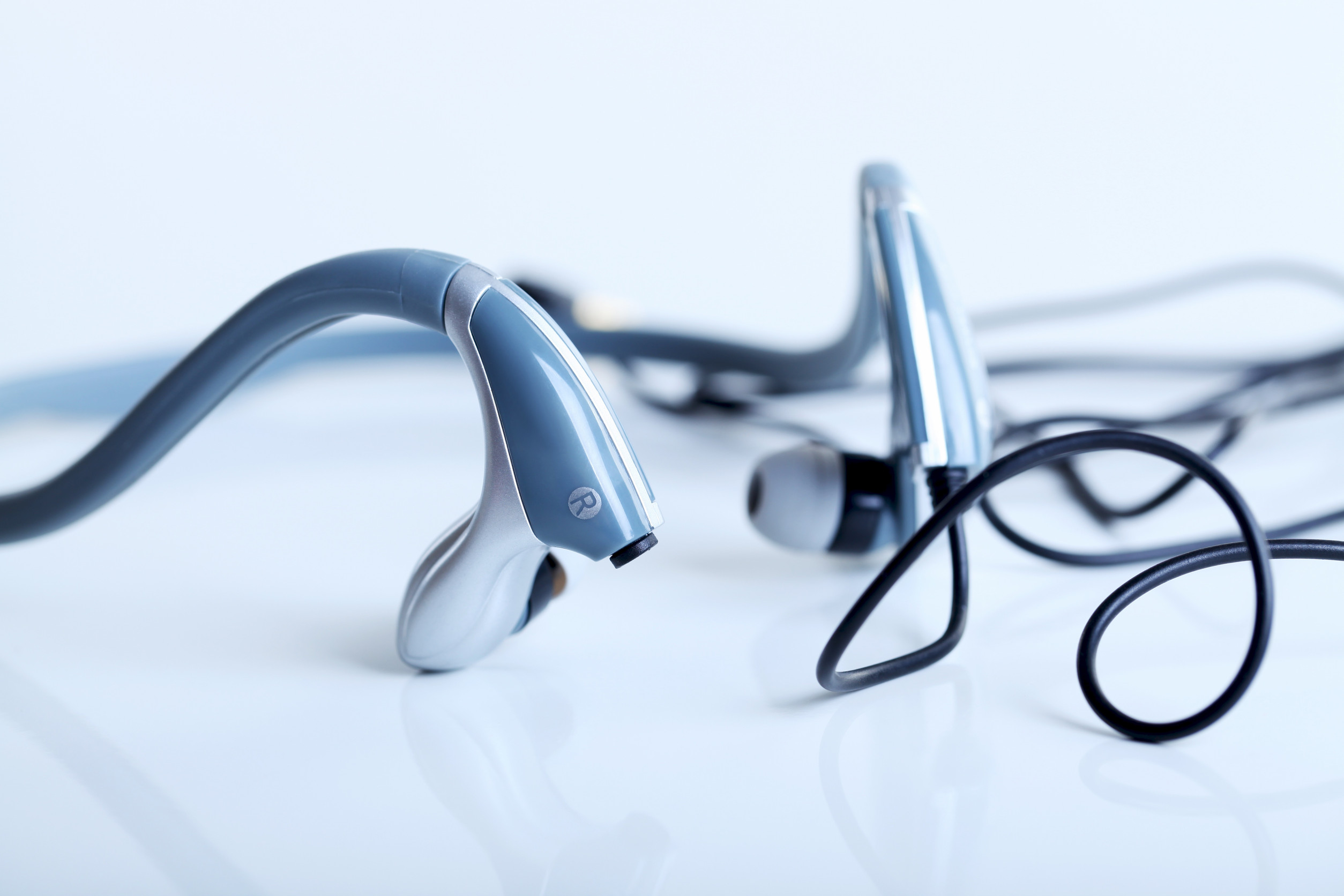
Bone conduction earbuds have become increasingly popular with runners, cyclists, and safety-focused listeners. But they’re also widely misunderstood.
Some people swear by them. Others say the sound quality isn’t worth it.
So what’s the truth?
In this guide, we’ll break down:
-
How bone conduction earbuds actually work
-
The real pros and cons
-
Who they’re ideal for
-
When you’re better off choosing another type
By the end, you’ll know whether bone conduction earbuds are a smart choice — or the wrong fit for your needs.
How Do Bone Conduction Earbuds Work?
Unlike traditional earbuds, bone conduction models don’t sit inside your ear canal.
Instead, they:
-
Sit just in front of your ears
-
Rest against your cheekbones
-
Transmit sound vibrations through your bones
-
Leave your ear canal completely open
This allows you to hear:
-
Music or podcasts
-
Traffic
-
Conversations
-
Environmental sounds
If you’re comparing designs, you may also want to read our full breakdown of open-ear vs bone conduction earbuds (key differences explained).
The Pros of Bone Conduction Earbuds
1️⃣ Maximum Awareness
This is the biggest advantage.
Because your ears stay open, you can:
-
Hear traffic while running
-
Stay aware on bike rides
-
Maintain spatial awareness in busy areas
For outdoor runners, this is often safer than traditional in-ear earbuds.
2️⃣ Very Secure Fit
Most bone conduction models use a lightweight wraparound band.
That means:
-
No slipping out
-
No constant readjusting
-
Stable during impact
If stability during workouts is your priority, see our guide to the best earbuds for running (secure fit explained).
3️⃣ No Ear Canal Fatigue
Some people struggle with:
-
Pressure inside the ear
-
Ear pain during long sessions
-
Irritation from silicone tips
Because nothing goes inside your ear, bone conduction eliminates that issue.
4️⃣ Good for All-Day Wear
Many users prefer them for:
-
Office work
-
Long calls
-
Audiobooks
They reduce that “blocked ear” feeling traditional earbuds create.
If call clarity matters, you may also want to read how to choose earbuds for call quality.
The Cons of Bone Conduction Earbuds
1️⃣ Sound Quality Is Different
This is the main trade-off.
Bone conduction earbuds:
-
Have less bass depth
-
Don’t isolate sound
-
Can sound thinner compared to in-ear models
They are not designed for immersive music listening.
If sound quality is your top priority, traditional in-ear earbuds may be a better fit.
2️⃣ Not Ideal in Loud Environments
Because your ears remain open:
-
Gym noise
-
Traffic
-
Wind
…can overpower your audio.
They work best in:
-
Moderate noise environments
-
Outdoor running
-
Quiet offices
3️⃣ Some Vibration Sensation
At higher volumes, some users notice:
-
Light vibration on cheekbones
-
Slight tickling sensation
This isn’t painful, but it can feel unusual at first.
4️⃣ Limited Noise Isolation
If you need:
-
Focus in noisy environments
-
Deep concentration
-
Noise blocking
You may be better off with traditional earbuds. See our comparison of noise cancelling vs regular earbuds for more context.
Who Should Buy Bone Conduction Earbuds?
Bone conduction earbuds are ideal for:
✅ Road runners
✅ Cyclists
✅ Commuters
✅ Safety-focused listeners
✅ People who dislike in-ear pressure
✅ Long audiobook or podcast listeners
They are NOT ideal for:
❌ Audiophiles
❌ Bass-heavy music fans
❌ Frequent gym lifters in loud environments
❌ Airplane travel
Are Bone Conduction Earbuds Good for Calls?
Surprisingly, yes — in quiet environments.
Because your ears are open:
-
You sound natural
-
You can hear your own voice
-
Conversations feel less isolating
However, in noisy outdoor conditions:
-
Wind can affect microphone quality
-
Background noise may interfere
For more details, read our guide on how to choose earbuds for call quality.
Bone Conduction vs Open-Ear: Which Is Better?
Bone conduction and open-ear earbuds are often grouped together, but they’re not identical.
Bone conduction:
-
Transmits sound through cheekbones
-
Leaves ears fully open
Open-ear (air conduction style):
-
Directs sound toward the ear canal
-
Still allows environmental awareness
If you’re deciding between them, see our full breakdown of open-ear vs bone conduction earbuds.
Final Verdict: Are Bone Conduction Earbuds Worth It?
Bone conduction earbuds are not about perfect sound — they’re about awareness, safety, and comfort.
They’re worth it if:
-
You prioritise environmental awareness
-
You run or cycle outdoors
-
You dislike traditional in-ear designs
They’re not worth it if:
-
You want immersive music
-
You care deeply about bass response
-
You need strong noise isolation
For the right person, they’re excellent.
For the wrong person, they’ll feel underwhelming.